
Comparing Telwin Inverter Welders vs. Traditional Welders: Which is Better?
Welding technology has evolved significantly over the years, and one of the most notable changes is the rise of inverter welding machines. Whether you are a professional fabricator, hobbyist or workshop owner, selecting the right type of welder can have a major impact on productivity, efficiency and weld quality. Understanding the differences between modern inverter welders and traditional transformer-style welders can help you make an informed decision.
Traditional welders rely on large transformers to step down mains voltage and deliver welding current. These machines are known for their robust construction and reliability, making them a staple in many industrial workshops. They are generally more durable due to their simple design and fewer electronic components, and they often come with a lower upfront cost. However, traditional welders are usually heavy and less energy-efficient, which can make them cumbersome to transport and costly to operate over time.
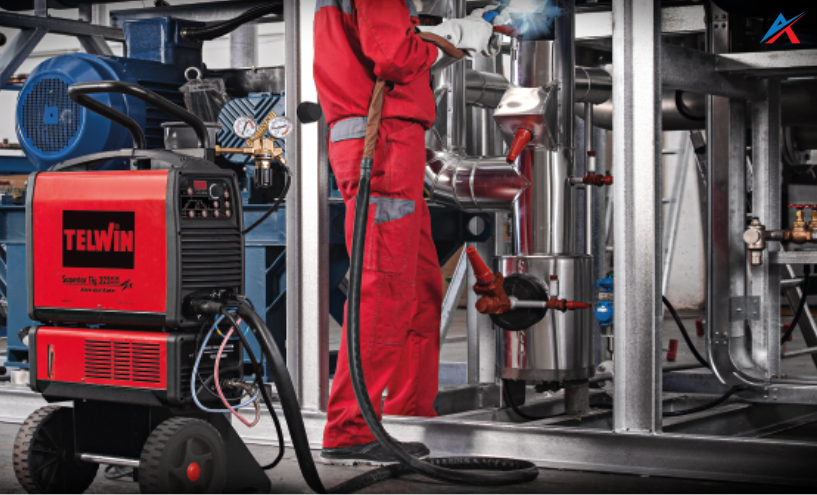
In contrast, inverter welders utilize advanced electronics and high-frequency switching to regulate the welding current more precisely. This technology allows for improved energy efficiency, making them more cost-effective in the long run. Inverter welders are also lighter and more compact, which increases portability and convenience for workshops that require mobility. The precise electronic control offered by these machines produces a stable arc, reduces spatter, and improves weld quality, particularly on thin metals. Many inverter models are also versatile, supporting multiple welding processes such as MMA, TIG, and MIG, making them suitable for a wide range of applications.
When comparing the two types side by side, several key differences emerge. Inverter welders consume less electricity, offer finer control, and are generally more versatile. They allow longer welding sessions due to higher duty cycles and are easier to transport between job sites. Traditional welders, while heavier and less energy-efficient, remain durable, simple to maintain, and reliable for heavy industrial use. The choice between the two often comes down to the type of work being performed and the user s priorities.
In real-world applications, the advantages of inverter welders become evident. They help save energy and reduce operational costs, deliver consistent and high-quality welds, and adapt to a variety of tasks. Traditional welders still hold value in scenarios where ruggedness and simplicity are essential, such as heavy-duty industrial stick welding. For frequent or varied welding tasks, the flexibility, portability, and efficiency of inverter welders make them the preferred choice for most modern workshops.
Ultimately, the decision between a Telwin inverter welder and a traditional welder depends on your specific needs. If energy efficiency, precision, portability and multi-process capability are important, inverter welders are typically the better investment. If you require a durable, no-fuss machine for heavy duty work with a lower initial cost, a traditional transformer welder may still be the right fit. For those looking for a reliable source to purchase Telwin welding machines in the UAE, Adams Tool House General Trading LLC offers a range of high-quality options suitable for both professional and workshop use.